
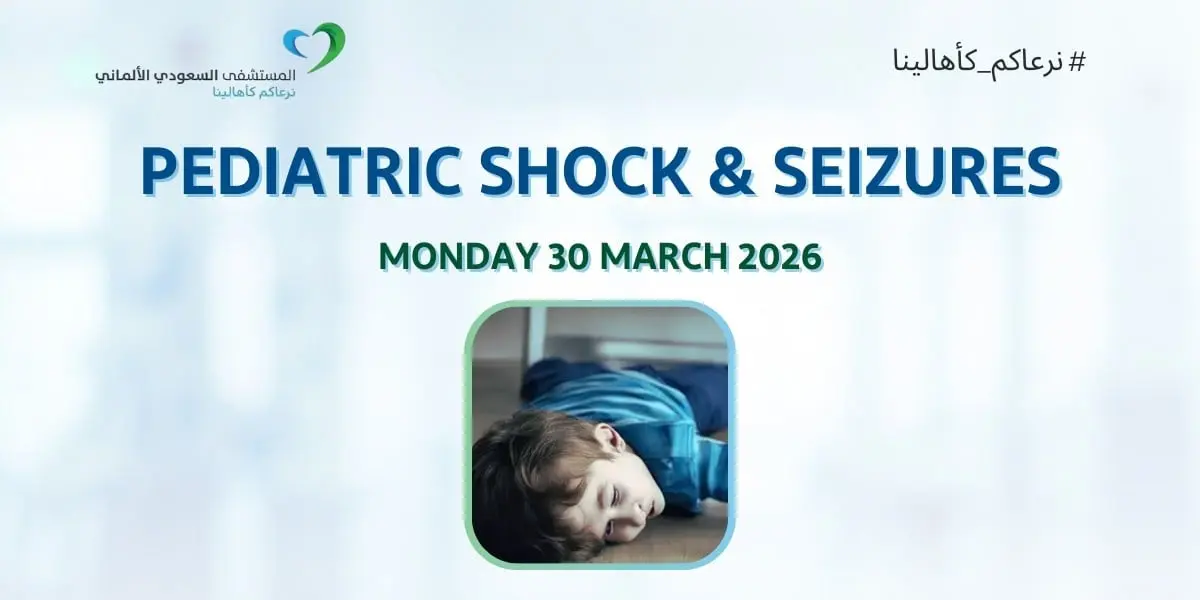
Pediatric Shock & Seizures

0 (0 Ratings)
Categories CPD Programs

Description

The Pediatric Shock & Seizures workshop is a high-impact, simulation-based training program designed to enhance clinicians’ ability to recognize and manage critically ill children presenting with shock and acute seizures.

Participants will engage in high-fidelity simulation scenarios that replicate real-life pediatric emergencies. The course emphasizes early recognition, systematic assessment using ABCDE principles, evidence-based fluid resuscitation strategies, escalation pathways, and protocol-driven seizure management.

Structured debriefing sessions follow each scenario, allowing participants to reflect on clinical decision-making, teamwork, communication, and crisis resource management skills.

This workshop is ideal for physicians, nurses, and healthcare professionals involved in pediatric emergency and acute care who wish to strengthen their confidence and competence in managing life-threatening pediatric conditions.

What I will learn?

  • Early recognition of different types of pediatric shock
  • Systematic assessment using the ABCDE approach
  • Evidence-based fluid resuscitation and escalation strategies
  • Acute seizure management protocols
  • Safe medication selection and dosing principles
  • Effective team communication during pediatric emergencies
  • Clinical decision-making under pressure
  • Structured debriefing and reflective practice skills

Course Curriculum

Sessions in the Course

Earn a certificate

Add this certificate to your resume to demonstrate your skills & increase your chances of getting noticed.


selected template

Student Ratings & Reviews

No Review Yet
No Review Yet
100,00 ر.س

Material Includes

  • Introduction to Pediatric Emergency Assessment
  • Understanding Different Types of Pediatric Shock
  • The ABCDE Approach for Systematic Patient Evaluation
  • Evidence-Based Fluid Resuscitation Strategies
  • Escalation Protocols in Critical Pediatric Cases
  • Acute Seizure Management in Children
  • Safe Medication Selection and Pediatric Dosing Principles
  • Communication and Coordination During Pediatric Emergencies
  • Clinical Decision-Making Under High-Pressure Situations
  • Structured Debriefing and Reflective Clinical Practice

Requirements

  • Basic knowledge of pediatric or emergency care principles
  • Background in medical, nursing, or healthcare-related fields
  • Familiarity with basic life support (BLS) concepts
  • Ability to interpret basic clinical signs and vital parameters
  • Willingness to participate in case-based discussions and simulations